
Claims for sexual harassment in the workplace
Discover
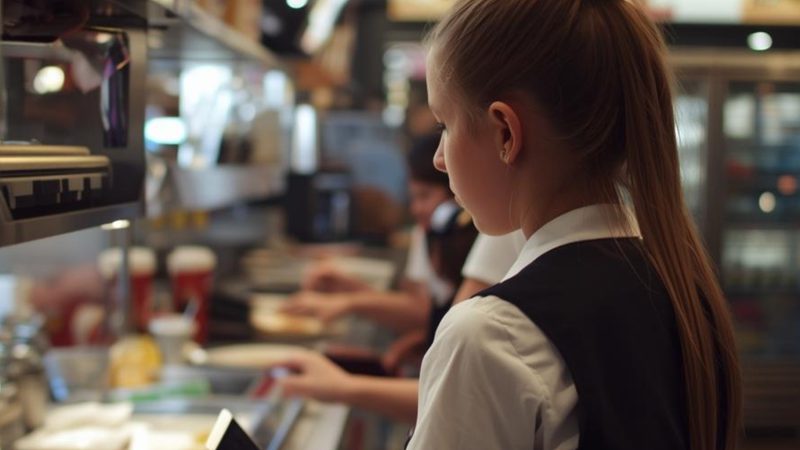
Sexual harassment at work is an often overlooked and under-appreciated element of abuse. While this can involve unwanted contact or touching, workplace harassment may also be threats or language of a sexual nature that causes distress or alarm. Harassment must typically occur on more than one occasion to be eligible for compensation under the Protection from Harassment Act 1997.
While, as a society, we may often like to believe that behaviours now considered sexual harassment are not tolerated in the workplace, it remains all too common to hear stories of employers failing to take action against individuals reported for inappropriate sexual behaviour. National data shows that this is a widespread and persistent problem, yet the public attention and reporting on sexual harassment does not reflect this.
The ONS (Office for National Statistics) reported in December 2023 that at least 8% of women and 3% of men had experienced sexual harassment in the previous twelve-month period alone, while over one quarter of these individuals had experienced this harassment in the workplace. This means at least one in every fifty women had reported experiencing sexual harassment at work in 2023.
However, as the ONS admits, the real figures are likely to be significantly under-reported. According to the TUC (Trade Union Congress), one fifth of women had experienced direct and unwanted sexual advances at work while more than half had received some form of sexual harassment. It is also believed that around four in every five women who experience sexual harassment at work do not make a complaint to their employer. While there may be a range of reasons for the underreporting of such incidents, fears of not being believed or even punishment for speaking out are a common concern.
The impact on mental health, following an experience of sexual harassment at work, can also be significant. It can have lasting psychological consequences, including anxiety, depression, and loss of confidence, often long after the employment itself has ended. We expect the workplace to be a safe and professional space, free from judgement or harassment from our colleagues yet, unfortunately, unwanted sexual behaviour is all too prevalent.
Merely one recent scandal that did reach national attention, starting in 2023, was the reporting on widespread sexual harassment by employees at fast food chain McDonald’s.
After at least 100 complaints of harassment in 2023 by employees, who were often told by management simply to ‘suck it up’, the head of McDonald’s UK division, Alistair Macrow, was ordered to appear in front of parliament’s Business and Trade Committee. Macrow gave assurances the firm was taking action to improve conditions and carry out restaurant audits; however, the BBC has since reported that these audits were managed internally by the very same branches where the complaints originated.
Despite Macrow promising that protections for employees would be reviewed, the number of individuals who have come forward with their experiences of harassment appears to have grown substantially. Further reporting by the BBC in January 2025 found that, at some branches, managers were believed to regularly ‘touch up’ employees who were often afraid to appear for their shift and were ‘scared to go in’ as a result.
Workers as young as 17 are thought to have been ‘groped’, sent unwanted images by colleagues or even offered shifts in exchange for sex. Teenagers and young adults, those on insecure contracts and financially vulnerable, potentially working their first job, can be disproportionately affected by sexual harassment. Young workers, often in their first job, are a common target for unwanted sexual behaviour in the workplace. McDonald’s is believed to be one of the largest employers of young people in the UK.
Now, in 2026, a coalition of trade unions have accused McDonald’s of ‘repeated harassment’ towards ‘mostly teenage’ workers with ‘further evidence of persistent, deeply rooted gender-based discrimination’ which managers failed to prevent. The unions also allege that the employer has violated international labour standards in its failure to take adequate action.
A mediation process is understood to be underway between McDonald’s and these unions, under the supervision of the Department for Business and Trade. McDonald’s have confirmed that they are reviewing the reports of harassment and are expected to take steps to change their employee safeguarding policies. While the alleged harassment at McDonald’s continues to make headlines, harassment is so much more prevalent.
So, what can employees across the UK, not just at McDonald’s, who believe they may have experienced sexual harassment do now? You might wish to consider speaking to an employment solicitor for advice on your rights; however, you may also be entitled to make a compensation claim for the psychological impact and injury caused by your experience. This is where we can help.
Jordans solicitors are acting on behalf of hundreds of adults who allege sexual abuse and harassment, including in the workplace. At Jordans, we have an expert team who are experienced in helping survivors of these incidents. We understand how difficult it can be to talk about abuse and harassment and we partner with specially trained psychologists and barristers to help support you both emotionally and legally.
Compensation cannot undo what has happened, but it can be a small step towards getting the control, accountability and justice you deserve, and we may be able to help.
If you want to discuss the options that are open to you, please contact our specialist Abuse Team at Jordans Solicitors by calling 03303 001103 or 08009 555094, or you can email [email protected].
We can offer a confidential consultation to assess any potential claim you might have.