Early Release and Sexual Offenders: Has the Government Finally Listened to Survivors?
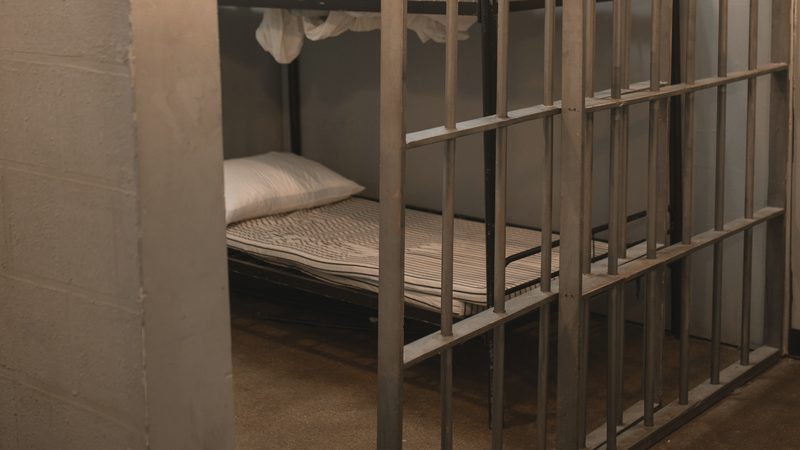
When the Government first announced plans to bring forward the release of prisoners to address overcrowding, there was an immediate and understandable question for survivors of sexual abuse. That question was “where does this leave us?” The answer, initially, was deeply uncomfortable.
Under the changes initially proposed to address the prison capacity crisis, prisoners serving certain standard determinate sentences were due to be released earlier than under the existing arrangements. The new rules were intended to move the release date for many prisoners to one third of their sentence, with some longer-term prisoners moving from release at two thirds to release at one half.
The problem was that the proposed changes initially extended to offenders convicted of serious sexual and violent offences. For survivors, this was never simply a technical question about sentencing policy. A prison release date can have a very real emotional impact and, for someone who has spent years trying to rebuild their life after sexual abuse, learning that their abuser may return to the community sooner than expected can reopen healing wounds.
Many survivors have commented that anxiety and trauma that they thought they had finally begun to leave behind has been brought back to the surface. It is no surprise to me, speaking to so many survivors, that the prospect was so distressing.
The Government has now changed course following an urgent review. Prime Minister Andy Burnham announced last week that offenders convicted of rape, serious child sexual offences and certain grooming offences will be excluded from the changes, meaning they will not be eligible for early release. The wider scheme has also been delayed until October to allow for additional measures to improve supervision, including GPS monitoring for certain offenders.
That change is welcome. But it is difficult to ignore the uncomfortable question of why these offences were not excluded from the outset. Sentences are imposed by courts for a reason. Of course, prisoners may ordinarily be released before the expiry of the full term of a sentence, serving the remainder on licence. However, for survivors, the distinction between being technically ‘released on licence’ and being back in the community can feel very different.
A survivor should not have to become an expert in sentencing guidelines, or feel compelled to keep up with the news, simply to understand whether the person who abused them might soon be living in their community again.
What I find particularly important about this debate is that it reminds us that victims and survivors must not become an afterthought whenever the criminal justice system faces a crisis. The prison estate is overcrowded. That is a serious problem which requires serious solutions. Nevertheless, the solution cannot simply be to move the consequences of that crisis onto victims.
There is some reassurance in the Government's decision to listen and amend the policy, and their announcement of additional support for victims affected by the changes including a national helpline and trauma-informed contact. Despite this, in our view, listening to survivors must mean more than changing a policy after public pressure. It means putting their safety, dignity and confidence in the justice system at the centre of decisions from the beginning.
For survivors of sexual abuse, justice does not end when an offender is convicted. It is a continuing process. It includes knowing that the harm done to you has been taken seriously, that those responsible are held accountable, and that the system will not casually place your sense of safety at risk.
That is why we will continue to advocate for survivors, not only when representing them in compensation claims but also when developments in the law and criminal justice system have the potential to affect their lives.
Survivors deserve to know that their voices matter. Perhaps most importantly, they deserve a justice system that listens, so they do not have to fight to be heard.
Contact Us
If you have been affected by anything in this article and would like to speak to one of our highly qualified abuse team members in confidence, then please do not hesitate to contact us.
Our highly skilled abuse team will advise you on the available options for pursuing a civil damages claim. Jordans successfully represent and secure compensation for numerous victims of abuse and are highly experienced in this area. They are experts in overcoming the particular challenges that arise in these types of sensitive cases.
Please contact the abuse team on 0800 9555 094.