The International Day for the Elimination of Violence Against Women
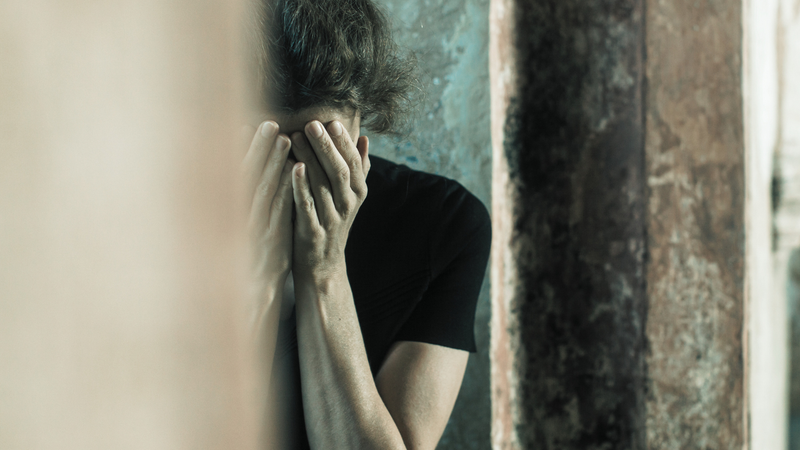
Violence against women and girls is an issue that affects millions of people around the world. It can happen behind closed doors, in the workplace, in public spaces, and increasingly online. While there has been progress in raising awareness and strengthening legal protections, abuse remains far too common, and many survivors continue to suffer in silence.
25th November marks the International Day for the Elimination of Violence Against Women. It is a day dedicated to recognising the experiences of survivors and highlighting the scale of the issue and encouraging action to prevent abuse and protect those affected.
The date was chosen in memory of three sisters from the Dominican Republic: Patria, Minerva, and María Teresa Mirabal. Known as the Mirabal sisters, they were political activists who opposed the dictatorship of Rafael Trujillo. On 25 November 1960, all three were assassinated by order of Trujillo’s regime. Their deaths became a symbol of the fight against violence and oppression towards women. In 1981, women’s rights activists began using the anniversary of their deaths to campaign against gender-based violence. The United Nations later adopted the Declaration on the Elimination of Violence Against Women in 1993 and officially recognised 25 November as an International Day of Observance in 2000. The date also marks the start of the annual 16 Days of Activism against Gender-Based Violence, which runs until the 10 December, Human Rights Day.
The figures surrounding violence against women are difficult to ignore. According to the United Nations, around one in three women worldwide experience physical or sexual violence during their lifetime. The situation in the UK is equally concerning. The Office for National Statistics estimated that 2.2 million women aged 16 and over experienced domestic abuse in England. Other UN findings highlight the extent of the problem:
- Every 10 minutes, a woman or girl is killed by an intimate partner or family member somewhere in the world, according to the UN estimates for 2024.
- Almost one in four adolescent girls ages 15-19 who have been in a relationship have experienced physical or sexual violence from a partner.
- Across 51 countires, 38 percent of women have personally experienced online violence, and 85 percent have witness in.
47 economies lack laws against sexual harassment in employment, 96 lack adequate domestic violence legislation, and 144 economies have insufficient legal protection against child marriage.
But the figures only tell part of the story. Many incidents of abuse are never reported, meaning the true scale of the problem is likely to be greater. There are many reasons why somebody may not come forward. They may fear their abuser, worry about the impact on their family, feel embarrassed or believe that nobody will take them seriously. Others may not even recognise that what they are experiencing is abuse, particularly where it involves controlling or manipulative behaviour rather than physical violence.
The United Nations Declaration on the Elimination of Violence Against Women issued by the UN General Assembly in 1993 defines violence against women as ‘any act of gender-based violence that results in, or is likely to result in physical, sexual, or psychological harm or suffering to women; including threats of such acts, coercion, or arbitrary deprivation of liberty, whether occurring in public or in private life’.
Some of the most common forms include:
- Domestic abuse and controlling behaviour: Domestic abuse can involve physical violence, threats, intimidation, emotional manipulation and controlling behaviours. It may be carried out by a current or former partner or, in some circumstances, a family member. Abuse does not have to involve physical violence. Someone who controls their partners finances, monitors their movements, isolates them from their friends and family or constantly makes them feel frightened may also be engaging in abusive behaviour.
- Sexual violence and harassment: This includes rape, sexual assault, unwanted sexual contact, sexual harassment, and other sexual acts without consent. It can happen within relationships at work, in public places, or in other settings. Being in a relationship with someone does not mean that consent is automatically given, and nobody has the right to subject another person to unwanted sexual contact.
- Emotional and psychological abuse: This type of abuse can be particularly difficult to identify because it may leave no physical injuries. It can involve humiliation, threats, constant criticism, manipulation, and intimidation, gradually affecting a person’s confidence and mental health.
- Economic abuse: This involves controlling someone’s access to money or other financial resources. Examples include taking their wages, preventing them from working, building up debts in their name, or restricting their ability to make financial decisions.
- Online abuse: Technology has created further ways for perpetrators to target people. This can include cyberstalking, threatening messages, online harassment, monitoring someone’s devices or sharing intimate photographs without their permission.
The International Day for the Elimination of Violence Against Women is an opportunity to speak openly about an issue that still affects millions of women and girls. It is also an opportunity to remind survivors that what happened to them was not their fault. Nobody deserves to experience abuse, and nobody should feel they have to deal with its consequences.
If you have experienced abuse, you deserve to be listened to and taken seriously. There is support available, and it may be possible to take legal action and seek compensation, even if you are unsure where to begin.
This 25 November we encourage everyone to challenge abuse, support those affected, and help create a future where women and girls can live free from violence and fear.
Jordans Solicitors – helping victims of sexual abuse claim compensation.
If you have been a victim of physical and/or sexual abuse and would like to speak to one of our Specialist Abuse Lawyers in confidence, please do not hesitate to contact us.
We have the knowledge and experience to advise you on the available options for pursuing a Criminal Injuries Compensation Claim and/or civil damages claim.
Our Sexual Abuse Compensation Team can be contacted by telephoning 08009555094 or 03303001103.